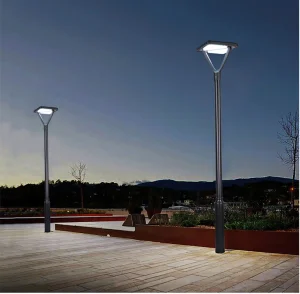
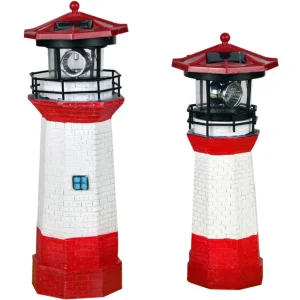
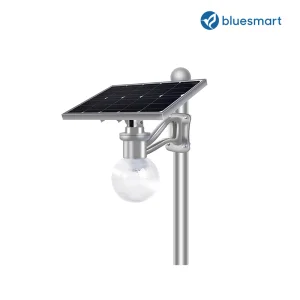
Engineered to comply with Swiss environmental mandates, delivering high performance under overcast skies and sub-zero temperatures.
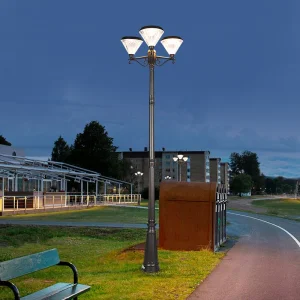
The Canton of Geneva, globally recognized as a hub for international diplomacy and environmental stewardship, is accelerating its carbon neutrality goals under the framework of the Plan Climat Cantonal 2030. As municipalities, real estate developers, and corporate entities strive to comply with strict energy consumption regulations and Swiss "Minergie-ECO" architectural standards, outdoor infrastructure is undergoing a rapid transition. Standalone photovoltaic (PV) lighting has shifted from a niche architectural option to an essential municipal and commercial strategy.
Geneva's unique geographic and climatological profile presents distinct challenges for solar lighting design. Nestled beside Lake Geneva (Lac Léman) and surrounded by alpine peaks, the region experiences severe seasonal variations. Winters bring short daylight hours, persistent lake fog, and freezing temperatures, while summers demand aesthetically refined fixtures that blend seamlessly with heritage architecture and modern smart-city layouts. B2B procurement professionals, landscape architects, and municipal buyers cannot rely on standard consumer-grade solar lights. They require industrial-grade, micro-energy storage systems that deliver high luminous efficacy even under diffused, low-lux winter sunlight.
"Modern architectural designs in Geneva demand a delicate balance between minimal carbon footprints and maximum reliability. Achieving this requires high-efficiency monocrystalline silicon panels, intelligent MPPT charging controllers, and high-capacity LiFePO4 batteries designed to operate at sub-zero temperatures."
Globally, the outdoor solar lighting market is expanding rapidly, driven by urbanization, rising grid-electricity costs, and international ESG (Environmental, Social, and Governance) investment standards. In Western Europe, and particularly in Switzerland, procurement departments focus heavily on product lifecycle sustainability (Circular Economy), technical compliance, and structural durability.
Geneva's environmental regulations emphasize the prevention of light pollution. Path lights must feature precise optical lenses that direct light downward, preventing upward light spill (often referred to as zero upward light ratio). Low-glare, warm color temperatures (typically 2700K to 3000K) are preferred to protect local ecosystems and nocturnal fauna, particularly along the lakeside promenades.
Standard solar lights rely on basic pulse-width modulation (PWM) controllers, which fail to charge adequately during Geneva’s overcast winter months. Commercial-grade systems utilize Maximum Power Point Tracking (MPPT) microprocessors. These smart controllers continuously track the solar array's maximum power voltage, maximizing charging efficiency by up to 30% compared to standard controllers under cloudy or foggy skies.
Swiss alpine environments expose outdoor fixtures to heavy snow loads, road salt spray, and intense UV exposure. Material selection is critical. Aluminum alloys must undergo marine-grade anodization or thermo-powder coating, and all fasteners must be constructed of 316 stainless steel to prevent localized galvanic corrosion.
| Component Specification | Consumer-Grade Standards | SWF Swiss-Spec Industrial Standards |
|---|---|---|
| Solar Panel Type | Polycrystalline (15% - 17% efficiency) | Grade-A Monocrystalline Silicon (21.5% - 23% efficiency) |
| Battery Chemistry | Standard Li-ion or NiMH (Short lifespan) | LiFePO4 (Lithium Iron Phosphate) with Smart BMS (>2000 cycles) |
| Controller Technology | PWM Charging (Low-efficiency in fog) | Intelligent MPPT with Adaptive Dimming & Motion Sensing |
| Chassis Material | Thin ABS Plastic / Low-grade Steel | Die-cast T6063 Aluminum / SUS316 Stainless Steel (C4/C5 Corrosion Class) |
Established in 2017 in the industrial hub of Wuxi, China, Wuxi SWF Lights Co., Ltd. has developed over the past 8 years into a premier vertically integrated manufacturer of micro-energy storage systems and commercial solar lighting solutions. Managing an annual sales volume of US$5 Million to US$10 Million, the company operates across 13 large-scale production bases covering the entire supply chain.
By keeping design, mold fabrication, lithium-ion battery pack assembly, solar panel lamination, LED lens injection, and SMT (Surface Mount Technology) component mounting fully in-house, Wuxi SWF Lights eliminates middleman markups and controls every variable of product quality. This vertical integration allows us to offer unmatched custom engineering (ODM/OEM) and maintain a reliable, year-round production lead time of 15 workdays, even during peak seasons.
For Swiss and European buyers, purchasing directly from our factory ensures compliance with FDA, CE, and RoHS standards while benefiting from the cost efficiencies of China's advanced industrial supply ecosystem.
Tailoring solar illumination to the unique architectural, regulatory, and environmental landscape of Geneva.
Illuminating pedestrian paths along Lac Léman without invasive underground wiring, ensuring zero disruption to natural soil structures and lakeside ecosystems. Fixtures are optimized for moisture protection (IP67) and marine-grade corrosion resistance.
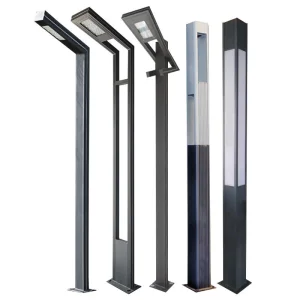
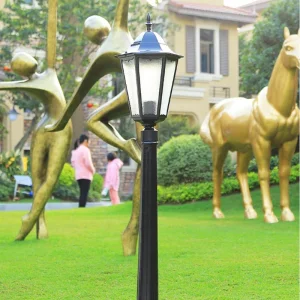
Custom-molded classical bollards that house advanced photovoltaic modules inside minimal, low-profile designs. Offering warm-toned LED profiles (2700K) to preserve the historical integrity and heritage charm of Geneva's architectural spaces.
Engineered for high-altitude environments surrounding Geneva, featuring advanced thermal insulation for battery enclosures to maintain high charge capacity during heavy snow and cold mountain drafts.
Select from our certified industrial catalog for projects demanding reliable performance, structural durability, and high aesthetic value.
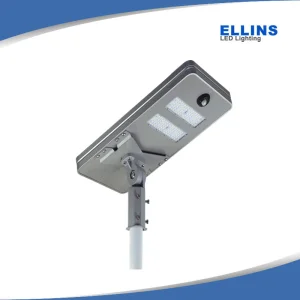
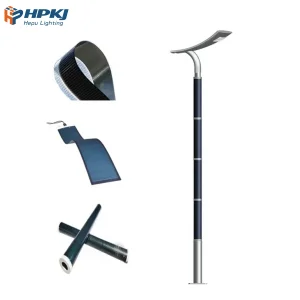
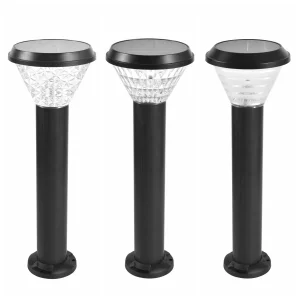
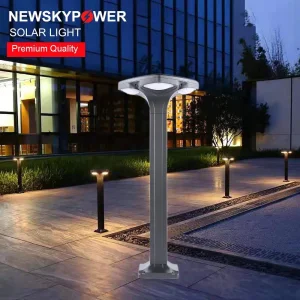
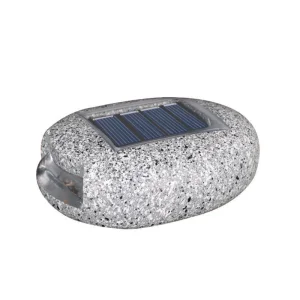
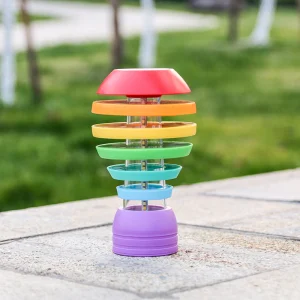
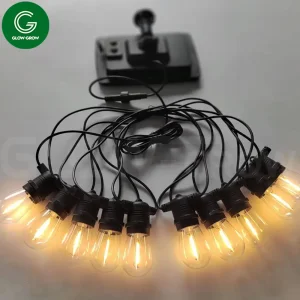
Reliable performance under the low-irradiance conditions typical of Geneva's winters requires a complete system-wide engineering approach. Power budgets must be carefully balanced between the PV energy collection rate, energy storage capacity, and LED energy consumption profiles. Through advanced battery management systems (BMS) and intelligent dimming protocols, Wuxi SWF Lights solutions are built to avoid complete blackouts, even during consecutive days of overcast skies.
Our custom BMS integrates low-temperature charging cutoff protection, preventing damage to the LiFePO4 cell chemistry when temperature levels drop below freezing. Standard lithium batteries charged in sub-zero environments degrade rapidly due to lithium plating. Wuxi SWF units feature internal thermal management or customized cell formulations to operate safely down to -20°C.
Rather than running at 100% brightness throughout the night, our intelligent path lights utilize adaptive dimming profiles. They can run at a base level of 20% brightness and ramp up to 100% when a built-in Passive Infrared (PIR) sensor detects a pedestrian. This saves valuable energy and guarantees that the system remains functional for over three to five nights on a single charge.
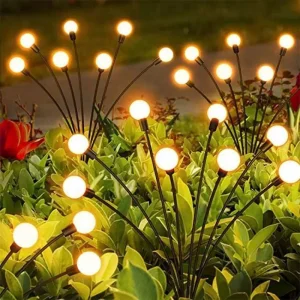
Specialized solar lighting models, incorporating integrated cameras, lawn bulb designs, and rugged path pavers.
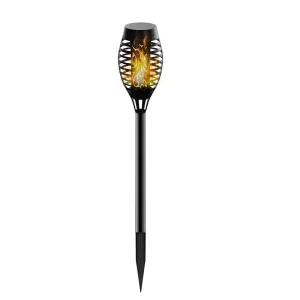
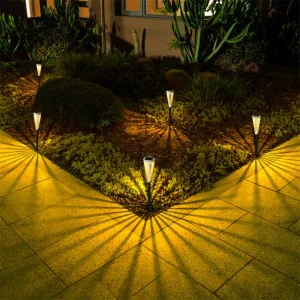
Key technical information for project managers, engineers, and purchasing departments in Geneva and Western Europe.
Our solar path lights are engineered specifically for high-latitude, low-light environments. We utilize Grade-A monocrystalline silicon solar cells with up to a 23% conversion rate. Combined with our intelligent MPPT (Maximum Power Point Tracking) controllers and adaptive energy-saving dimming profiles, the system can remain functional for 3 to 5 continuous rainy or foggy winter days without direct sunlight.
We use Lithium Iron Phosphate (LiFePO4) batteries with advanced Battery Management Systems (BMS). The BMS includes low-temperature charging cutoff protection to prevent cell degradation below 0°C. For projects demanding extreme winter resilience, we also offer custom insulated battery enclosures and low-temperature cell formulations that operate down to -20°C.
Yes. Many of our premium commercial models can be configured with Zigbee or LoRa wireless communication modules. This allows municipal operators to monitor battery health, adjust brightness profiles remotely, and collect ambient movement data from a centralized system, in line with modern smart-city initiatives.
We design our optics with precise downward distribution lenses to limit light spill. Our systems support warm color temperatures (2700K to 3000K) and offer a 0% upward light output ratio option. This keeps the light focused on pedestrian paths and out of the night sky, meeting European Dark-Sky Association guidelines.
Our standard manufacturing lead time is 15 workdays (both peak and off-season), thanks to our 13 large-scale production bases. We work under standard international commercial terms (FOB Wuxi/Shanghai or CIF European ports like Rotterdam or Genoa) and accept payment methods such as L/C, T/T, and PayPal.
With over eight years of manufacturing integration, we own our complete mold-processing workshop and LED lens injection facilities. We can design and produce custom bollard shapes, adjust optic distribution angles, mount security cameras (as seen in our 9W/12W solar street lights), and customize battery capacities to match the unique requirements of your Swiss architectural projects.
Connect with our senior technical engineers for detailed photometric designs, customized pricing structures, and sample evaluation requests.
Send Inquiry Now SWF Lights