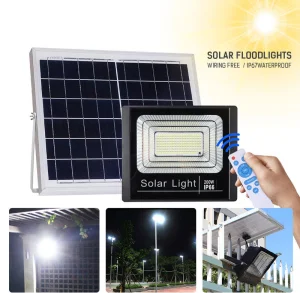
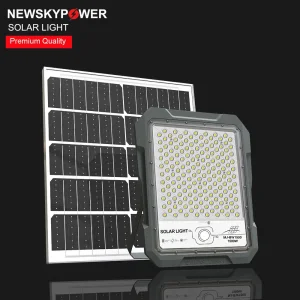
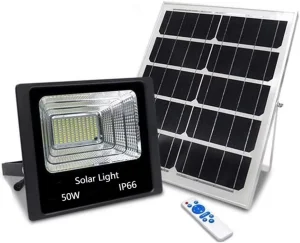
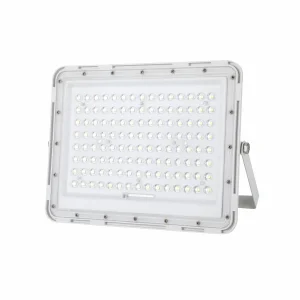
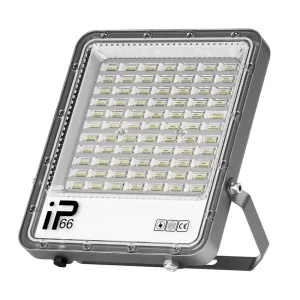
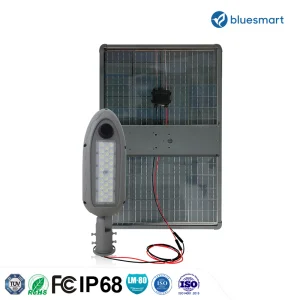
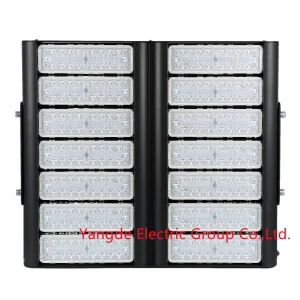
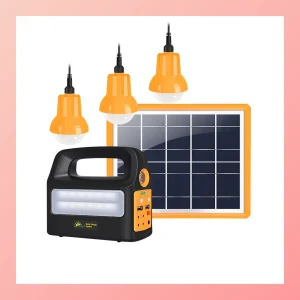
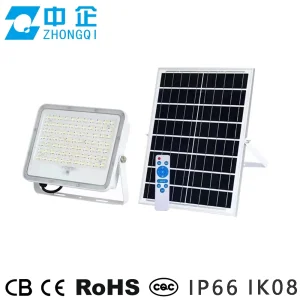
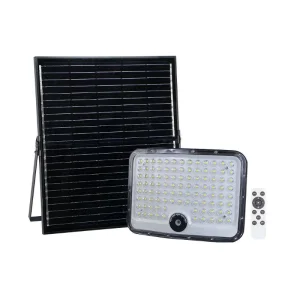
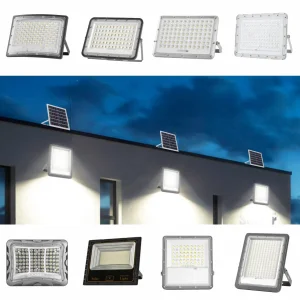
Heavy-duty, IP66-waterproof lighting systems engineered with thermal mitigation to withstand Mozambique's extreme coastal salinity and high-temperature environments.
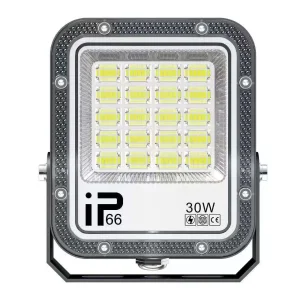
An analysis of climatic resiliency, grid limitations, and commercial application standards for high-output off-grid solar LED lighting systems in East Africa.
Mozambique is currently undergoing a structural economic transformation, heavily powered by mega-projects in Tete province (mining), gas exploration in Cabo Delgado, and logistics expansions at the major ports of Maputo, Beira, and Nacala. However, stable electrification remains a critical hurdle. Despite the immense capacity of the Cahora Bassa Hydroelectric Dam, the country's national transmission grid is fragmented. Rural and industrial fringe areas face electrification rates below 35%, making high-powered diesel generator sets the default, albeit financially draining and environmentally unsustainable, option.
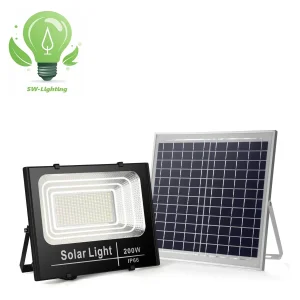
As commercial agriculture, mining camps, and logistics corridors expand, decentralized off-grid solar lighting systems have moved from a niche sustainability alternative to an operational necessity. High-lumen solar flood lights are now being deployed as core security and operational infrastructure. In Mozambique's equatorial sun belt, these systems harvest massive daily solar radiation, bypassing the unstable centralized grid while eliminating the monthly recurring fuel and maintenance overhead of diesel-driven lighting towers.
"For heavy industries operating in Mozambique, light is not merely a utility; it is a critical safety and security asset. The transition to high-lumen solar floodlights with localized thermal management saves thousands of dollars annually in remote operations."
Mozambique is uniquely vulnerable to Indian Ocean climate events, highlighted by severe tropical cyclones such as Idai, Kenneth, and Freddy. The coastal belt stretching from Maputo in the south to Pemba in the north is subject to extreme winds, high humidity, and heavy saline deposition. Standard residential-grade solar lights degrade rapidly under these conditions due to salt-spray corrosion, structural fatigue, and internal condensation.
Industrial solar flood lights must be designed with architectural-grade materials:
To guarantee reliable operations through sequential overcast days (autonomy period), a solar flood light's internal ecosystem must be mathematically balanced.
Lithium Iron Phosphate (LiFePO4) Battery Packs: Legacy lead-acid and gel batteries suffer from high thermal degradation and short cycle lives (typically 500 cycles). We exclusively utilize A-grade LiFePO4 cells, offering over 3,000 charge cycles at 80% Depth of Discharge (DoD). They tolerate high ambient heat without thermal runaway risks, making them the safest chemistry for the African climate.
Monocrystalline Silicon Solar Modules: High-efficiency monocrystalline PV panels convert solar irradiance at rates up to 21-23%. Their performance is superior in low-light and overcast conditions compared to older polycrystalline technology, ensuring adequate current generation even during the rainy season.
MPPT (Maximum Power Point Tracking) Smart Controllers: An intelligent brain is vital. MPPT controllers constantly adjust voltage levels to maximize harvest efficiency, ensuring up to 30% more energy extraction than traditional PWM controllers. Standard custom algorithms include smart dimming profiles and motion sensors, conserving battery capacity during low-traffic night hours.
Deploying advanced solar illumination solutions across complex geological and industrial sectors worldwide.
Our ongoing R&D shapes the future of off-grid public and commercial safety infrastructure.
Dynamic cloud-cover algorithms that automatically scale power output and LED dimming profiles during persistent overcast cycles to maintain system viability.
Integrating LoRaWAN and ZigBee communication arrays to enable remote status monitoring, scheduling, and fault diagnosis from localized central control panels.
R&D focused on integrating bifacial solar panels, absorbing reflected light from the ground to boost power generation by up to 15% in sandy conditions.
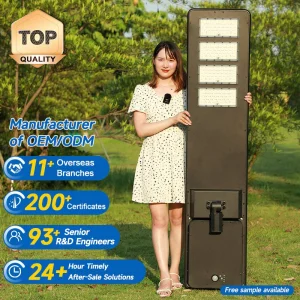
Our vertically integrated production pipeline controls every stage of quality assurance.
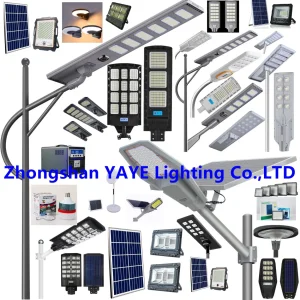
Browse our complete list of technical solar flood and utility streetlights configured for Mozambique infrastructure requirements.
Answers to crucial regulatory, technical, and logistical questions for import buyers, municipal planners, and project developers in Maputo, Beira, and Nacala.
 SWF Lights