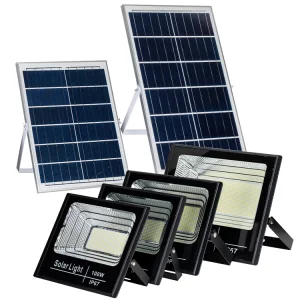
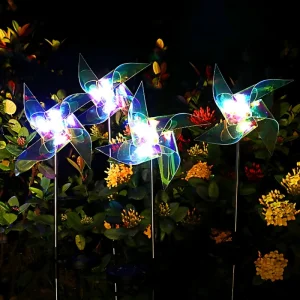
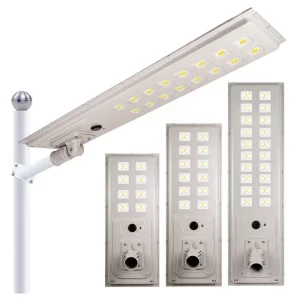
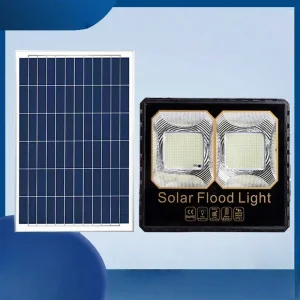
In the era of carbon neutrality and global energy paradigm transitions, commercial outdoor lighting is undergoing a profound technological transformation. Standard grid-dependent architectural and decorative lighting systems are rapidly being phased out due to rising installation costs, complex cable routing regulations, and continuous operating expenses. High-performance solar outdoor string bulbs and integrated micro-energy storage units are stepping in to fill this gap, providing zero-carbon footprint illumination with rapid deployment timelines.
For enterprise procurement managers, distributors, and engineering contractors, choosing a manufacturing partner is no longer just about searching for the lowest Unit Price. Rather, it requires a comprehensive assessment of the factory's vertical supply chain capacity, mechanical and electronics engineering capabilities, and international certification compliance. From heavy-duty commercial string lighting systems to smart utility-grade garden spots, understanding the core components—ranging from photovoltaic cell conversion efficiencies to lithium iron phosphate (LiFePO4) battery lifecycle degradation profiles—is essential to ensuring high ROI and system reliability.
The Chinese solar manufacturing ecosystem has evolved far beyond basic component assembly. Today, leading facilities leverage Industry 4.0 principles to deliver superior production reliability and cost-performance profiles. A case in point is Wuxi SWF Lights Co., Ltd., established in 2017. Over eight years of focused developmental scaling, the company has transformed into a major player in micro-energy storage solutions.
SWF Lights commands 13 large-scale production bases featuring a completely integrated vertical supply chain. Unlike factories that function merely as assembly houses, vertical integration means SWF Lights directly manages:
Enables rapid design iteration for custom structural requirements and ensures high precision, IP67-grade physical sealing across all resin and polycarbonate housings.
Direct assembly of cell packs matching dedicated Battery Management Systems (BMS) with exact temperature control coefficients and overload protection circuits.
Automated High-Speed Placement Machines (SMT) process the LED chips directly on thermal-conductive PCBs, maintaining optimal junction temperatures.
By controlling every stage of the manufacturing timeline, the factory ensures strict quality thresholds while neutralizing supply chain bottlenecks. B2B buyers benefit from direct control over engineering parameters and highly consistent manufacturing tolerances.
As the industry advances towards smart micro-grid solutions, several key technical milestones define modern solar outdoor string lighting systems:
The conversion efficiency of monocrystalline silicon solar cells has now reached 21.5% to 23% in commercial productions. Modern modules use anti-reflective textured glass coatings and multi-busbar (MBB) designs to maximize light capture, even under low-irradiance conditions or during overcast winter days.
The transition from traditional lead-acid and low-grade nickel-cadmium batteries to Lithium Iron Phosphate (LiFePO4) chemistries represents a major leap in product lifespan. LiFePO4 batteries deliver up to 3,000 charge-discharge cycles at 80% Depth of Discharge (DoD), meaning a service life of over 8 years. Additionally, built-in thermal sensor relays prevent thermal runaway in high-temperature tropical areas.
High-efficiency Maximum Power Point Tracking (MPPT) solar charge controllers outperform traditional Pulse Width Modulation (PWM) by up to 30%. These micro-controllers continuously monitor the current and voltage of the solar panel, dynamically adjusting charging profiles to match changing weather conditions. Additionally, Bluetooth Mesh and Zigbee integration allow commercial users to control illumination periods, dimming programs, and track diagnostic data through mobile applications.
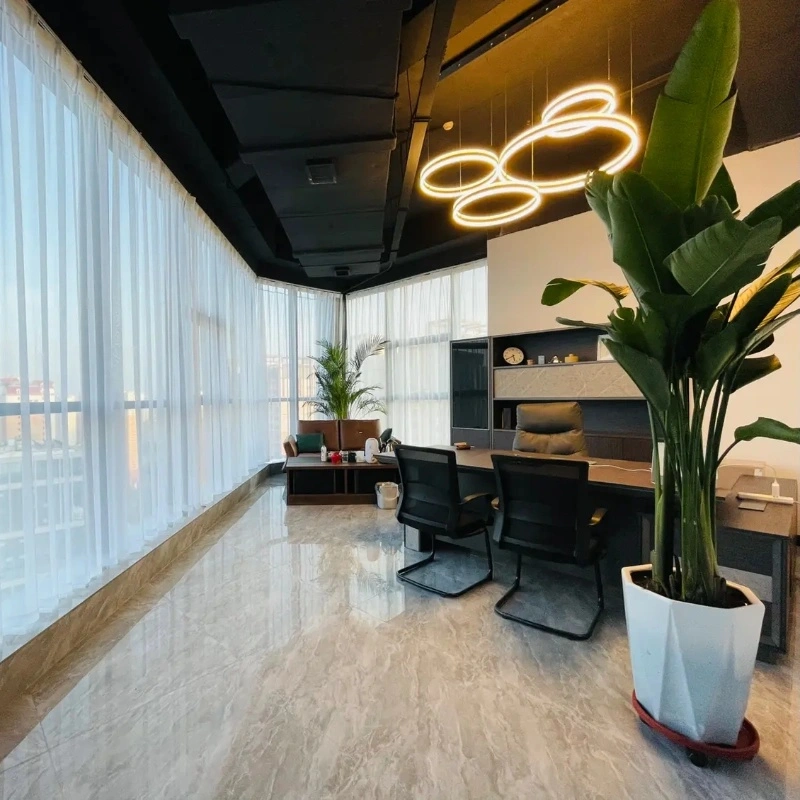
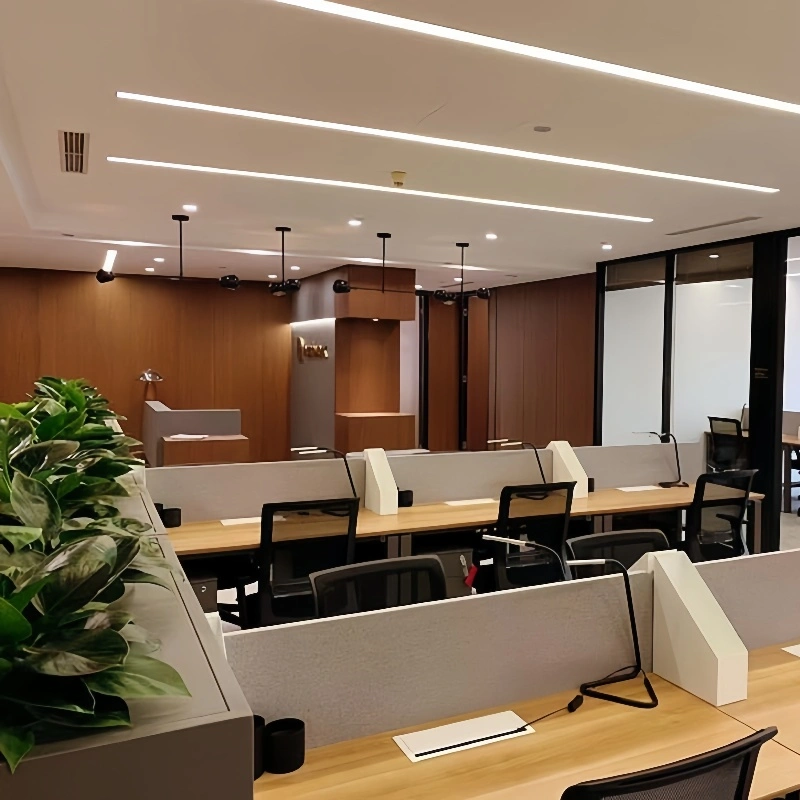
Solar lighting systems are no longer limited to basic residential decorations. Today, they are engineered for a variety of demanding commercial applications:
Formally established in 2017 in Wuxi, China, SWF Lights has grown over the past 8 years into a vertically integrated supplier of one-stop micro-energy storage systems. Offering solutions across multiple domains, SWF Lights serves diverse international markets, with a strong, long-standing presence in Southeast Asia and other global regions. The enterprise maintains dozens of product patents and invests more than 20 million yuan annually in new product R&D.
| Business Type | Manufacturer, Trade Company |
| Year Established | 2017 |
| Registered Capital | $1.3 Million USD |
| Main Port | Wuxi Port / Shanghai Port |
| Certifications | FDA, CE, IP65, IP67 |
| Annual Sales | US$5 Million - US$10 Million |
| Export Percentage | 31% - 40% |
| Key Markets | Americas, Asia, Middle East, Africa, Worldwide |
| Terms of Payment | L/C, T/T, PayPal |
| Incoterms Available | FOB, CIF |
The company's product line includes solar garden lights, solar street lights, solar heaters, solar air conditioners, solar inverters, and photovoltaic module products. These solutions are designed to deliver reliable electricity to areas with limited power access, high utility rates, or challenging grid connectivity.
Procurement teams looking to mitigate supply chain risks should use a structured validation process when vetting potential suppliers:
During peak shipping seasons, manufacturing delays can disrupt retail timelines and project schedules. Partners like SWF Lights guarantee consistent lead times of within 15 workdays during both peak and off-peak seasons, supported by direct control over their 13 specialized production bases.
Solar outdoor string bulbs are subjected to intense weather conditions, including heavy rain, freezing temperatures, and direct UV radiation. Industrial-grade products feature UV-stabilized polycarbonate lenses that prevent yellowing, alongside double-molded waterproof seals (IP65/IP67) and heavy-duty, low-resistance copper cabling to ensure long-term electrical safety.
Commercial projects often require tailored solutions, such as custom cable lengths, specific bulb spacing, custom packaging, or branding. Working with an OEM/ODM partner that offers in-house SMT circuit design, custom lens injection molding, and rapid prototyping helps streamline these custom requirements.
 SWF Lights