Outdoor lighting design is crucial for enhancing safety, aesthetics, and functionality. As John Smith, a renowned landscape lighting designer, states, “Lighting can transform a space, making it enchanting yet practical.” Understanding the question, "What Are The Best Practices For Outdoor Lighting Design," is essential for creating effective lighting solutions.
One best practice is to consider the natural environment. Use soft lighting to complement outdoor features. This helps maintain the landscape's beauty while providing necessary illumination. Layering light sources can create depth and interest, but there's a balance to achieve. Too much light can overwhelm and detract from the space.
Another consideration is energy efficiency. Opt for LED fixtures which consume less power and last longer. However, it’s vital to avoid over-illumination. This can cause glare and light pollution, impacting both humans and wildlife. Reflecting on these aspects helps designers find that perfect balance between functionality and artistry in outdoor spaces.
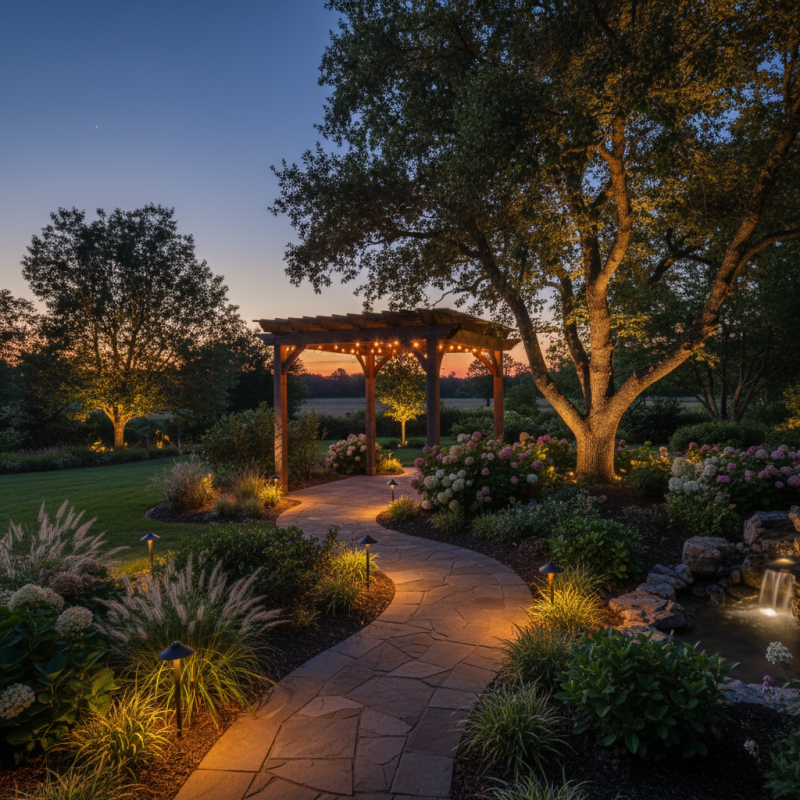
Understanding the Importance of Outdoor Lighting in Landscape Design
Outdoor lighting plays a crucial role in landscape design.
It enhances safety, accessibility, and aesthetic appeal. Properly placed lights can highlight key features like trees, pathways, or water elements.
This creates a welcoming environment for gatherings or quiet evenings.
Understanding the different types of outdoor lighting is essential. For example, pathway lights guide guests safely.
Accent lights can showcase a beautiful sculpture or a flowering bush. However, it’s important not to overdo it.
Too much light can cause glare and detract from the nighttime ambiance.
Inexperienced designers may overlook the importance of light placement. Lights should not only be functional but also strategic.
A poorly illuminated area can create safety hazards. Balancing light intensity with dark spaces promotes a mysterious charm.
Lighting design requires careful thought and often, a bit of trial and error. Learning from past designs can lead to improvements.
Key Factors Influencing Outdoor Lighting Efficiency and Effectiveness
Effective outdoor lighting design significantly enhances safety and aesthetics. Key factors greatly influence lighting efficiency. One of the most critical elements is the placement of light fixtures. Proper positioning avoids dark spots that create safety hazards. It’s essential to assess the layout of the area before installation. Consider how the light will interact with surroundings. This foresight prevents common pitfalls.
Light intensity is another factor that deserves attention. Too much brightness can lead to light pollution. It also can cause discomfort to neighbors. Striking a balance is essential. Use adaptive lighting solutions to adjust brightness according to activity levels. This approach conserves energy while ensuring visibility. Keep in mind the local environment and wildlife. Some lights might disrupt local fauna, leading to unintended consequences.
Material choice cannot be overlooked. Selecting durable, weather-resistant fixtures is crucial. However, designs that blend in with their surroundings can enhance visual appeal. Still, not all materials suit every climate. Some may need replacement sooner than expected, impacting long-term effectiveness. Regular maintenance checks are necessary to ensure longevity. This keeps outdoor lighting functional and aesthetically pleasing over time.
Top 10 Best Practices for Outdoor Lighting Design
This chart illustrates the key factors influencing outdoor lighting efficiency and effectiveness based on best practices. The data represents the importance rating of each factor on a scale of 1 to 10.
Selecting Appropriate Fixtures Based on Purpose and Environment
When selecting outdoor lighting fixtures, consider the purpose of the space. Different areas require specific lighting solutions.
Pathways benefit from soft, guiding lights to create a safe passage. For patios,
adjustable fixtures offer versatility for gatherings. The environment also plays a crucial role. Coastal areas may need
corrosion-resistant materials, while mountainous regions require robust fixtures to withstand the elements.
Think about beam angles and light intensity. A wide beam can illuminate larger areas, while narrow beams focus
light on key features. Remember, colors matter too. Warm lights create a welcoming atmosphere,
while cool lights enhance modern aesthetics. Ensure fixtures blend with the surroundings for a cohesive look.
Consider energy efficiency. LED lights are an excellent choice for sustainability. However, don’t overlook
maintenance needs. Some fixtures may require frequent cleaning or bulb replacements. Aim for a balance between
functionality and aesthetics.
Flaws in design can be costly mistakes. Always evaluate how your choices impact safety and visibility. A well-thought-out design
not only enhances beauty but also ensures practicality in outdoor spaces.
Implementing Smart Technology for Enhanced Outdoor Lighting Control
Implementing smart technology in outdoor lighting can dramatically enhance control and efficiency. Smart sensors adjust brightness based on ambient light. This means lights shine brighter when needed, and dimmer when not. The result is energy savings and longer bulb life. Imagine walking through your yard at night. As you approach, lights automatically turn on, illuminating your path and enhancing safety.
Integration of smart controls allows for precise scheduling. You can set the lights to turn on at dusk and off at midnight. A smartphone app enables easy adjustments. With just a tap, you change settings based on your needs. However, technology can sometimes fail. A system glitch might leave your garden in darkness when you expect illumination. Regular maintenance and updates are essential to prevent such issues.
Consider the aesthetics of your outdoor space while embracing technology. Smart lighting also supports color changes, adding vibrancy to gatherings. But, poorly designed systems can create harsh shadows. Balance is key. Learning from past mistakes ensures that your outdoor lighting is not just functional but enhances the overall ambiance. It’s important to reflect on these experiences and continually refine your approach to achieve the best results.
Sustainability Considerations in Outdoor Lighting Design Practices
Sustainability is a crucial aspect of outdoor lighting design. Research indicates that around 50% of outdoor lighting energy consumption can be reduced through effective design. Incorporating energy-efficient fixtures, like LEDs, can decrease energy usage by up to 70%. This significant reduction shows how mindful design can mitigate environmental impact.
Utilizing solar-powered lights is another innovative approach. These lights harness sunlight during the day, providing illumination without drawing from the electrical grid. Data from the U.S. Department of Energy shows that solar lighting can significantly cut costs and lower carbon footprints, making it a practical choice for many outdoor spaces.
However, not all designs prioritize sustainability. Over-lighting remains a common issue, and it's essential to ensure that lighting levels are appropriate for the intended use. This can lead to unnecessary energy consumption and light pollution. Thoughtful consideration of light placement and intensity is necessary to create a balance between visibility and ecological responsibility.
FAQS
: Outdoor lighting enhances safety, accessibility, and aesthetic appeal in landscape design.
Pathway lights guide guests. Accent lights highlight features like sculptures and flowers.
Yes, excessive lighting can cause glare and destroy the nighttime ambiance.
Poor light placement can create dark spots. Balancing intensity helps avoid safety hazards.
Assess the area's layout and how lights will interact with their surroundings.
Use adaptive lighting solutions to adjust brightness based on activity levels.
Choose durable, weather-resistant fixtures that blend well with the environment.
Regular checks ensure fixtures remain functional and aesthetically pleasing over time.
They may overlook placement or use improper brightness levels, creating hazards.
Some lights can disrupt local fauna, leading to unintended consequences in the ecosystem.
Conclusion
In exploring the question of "What Are The Best Practices For Outdoor Lighting Design," it is essential to recognize the significant role outdoor lighting plays in enhancing landscape aesthetics and ensuring safety. Effective outdoor lighting requires a thorough understanding of key factors that influence its efficiency and effectiveness, such as placement, intensity, and energy consumption. Additionally, selecting appropriate fixtures tailored to the specific environment and intended purpose can greatly enhance the overall impact.
Moreover, incorporating smart technology can provide better control over outdoor lighting, allowing for adjustments based on time, motion, or ambient light, thus enhancing both convenience and energy efficiency. Sustainability should also be a core consideration in outdoor lighting design practices, prioritizing energy-efficient solutions that minimize environmental impact while providing functional and appealing lighting options. By adhering to these best practices, one can achieve a harmonious balance between functionality, aesthetics, and environmental responsibility in outdoor lighting design.

 SWF Lights