7 Tips for Choosing Home and Commercial Lighting

Time:2026-10-02 Author:Ethan
0%

Choosing lighting is not simply a matter of selecting attractive fixtures. It affects comfort, safety, energy use, and how people experience a space. A warm pendant may create a welcoming dining room, while a brighter, controlled system can support accuracy in a retail store or office. Understanding How To Choose Lighting For Residential And Commercial Use helps owners make decisions based on function, not fashion alone.

These seven tips examine practical factors such as room purpose, brightness, color temperature, color rendering, glare, controls, and maintenance. They also consider details often missed during planning, including ceiling height, daylight exposure, wet locations, and cleaning access. A kitchen worktop may need focused light, while a corridor requires even illumination without harsh shadows. Commercial projects demand closer attention to occupancy, operating hours, accessibility, and applicable electrical standards. Qualified professionals should verify installation requirements.

Small errors can become expensive.

I have seen attractive lighting fail because its color felt too cold, its controls were confusing, or replacement lamps were difficult to source. That experience suggests a useful lesson: good lighting must remain practical after installation. Product labels and energy claims also deserve careful checking, since marketing language can hide important differences in performance. No single fixture suits every setting. The best choice balances visual comfort, measurable performance, durability, budget, and the people using the space each day.
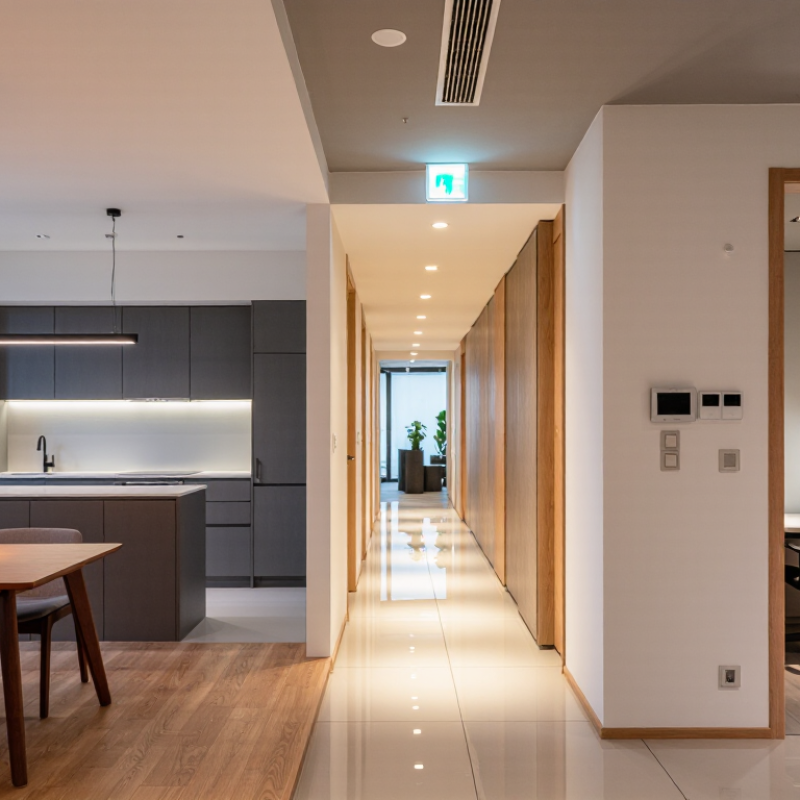
7 Tips for Choosing Home and Commercial Lighting

Define Lighting Needs for Home and Commercial Spaces

Define Lighting Needs for Home and Commercial Spaces

Choosing lighting begins with the activity, not the fixture. A kitchen needs clear task light over counters, while a bedroom benefits from softer, lower-glare illumination. I once planned a hallway by brightness alone. It looked efficient, but the polished floor created uncomfortable reflections. That mistake changed my process. I now record room use, surface finishes, ceiling height, daylight, and user age before selecting equipment.

For homes, measure where people read, cook, work, and move at night. Layered lighting usually works better than one powerful ceiling fitting. Use ambient light for general visibility, task light for precision, and accent light for depth. The U.S. Department of Energy reports that LED products can use at least 75% less energy than incandescent lighting and last up to 25 times longer. Efficiency matters, but color quality and dimming behavior matter too.

Commercial spaces require a stricter assessment. Offices need comfortable desk illumination, controlled glare, and balanced screenside brightness. Retail areas may need stronger vertical light to reveal products. Warehouses demand uniform coverage and safe movement paths. The International Energy Agency estimates that lighting represents about 15% of global electricity consumption, so controls deserve serious attention. Occupancy sensors, daylight dimming, and scheduling can reduce waste. Yet controls are not automatically successful. Poor placement can leave a worker in darkness for several frustrating seconds. Test the space at different times, ask users what feels wrong, and revise the plan before installation.

7 Tips for Choosing Home and Commercial Lighting: Define Lighting Needs

Use the typical illuminance ranges below to match lighting levels with each activity. Residential spaces generally need softer light, while work, retail, and service areas require higher lux levels. Always confirm local safety and energy-efficiency requirements.

Illuminance is measured in lux (lumens per square metre). Choose fixtures, controls, and color temperature according to the task, room size, operating hours, glare risk, and maintenance needs.

Compare Light Sources, Color Temperature, and Brightness

7 Tips for Choosing Home and Commercial Lighting

Tip 1: Compare light sources by energy use, lifespan, and control. The U.S. Department of Energy reports that LED lighting uses at least 75% less energy than incandescent lighting and can last up to 25 times longer. That difference matters in warehouses, offices, and homes with long operating hours. However, low energy use does not guarantee comfortable light.

Tip 2: Read lumens, not watts. Lumens measure visible output, while watts measure electricity consumption. Tip 3: Check lux at the working surface. A bright ceiling fixture may still leave a kitchen counter or retail shelf dim. The Illuminating Engineering Society provides task-based illuminance guidance, but real rooms often need adjustment. I have found that reflective walls can make the same fixture feel much brighter. Sometimes, calculations miss that detail.

Tip 4: Choose color temperature carefully. Warm white, around 2700–3000 K, usually suits bedrooms and hospitality areas. Neutral white, near 3500–4000 K, supports offices and circulation spaces. Cooler light can help visual alertness, but it may feel harsh after sunset. Tip 5: Compare color quality through CRI, not appearance alone. Tip 6: Use dimming where activities change. Tip 7: Test samples before full installation. The International Energy Agency identifies lighting as a major global electricity-use category, so small efficiency gains can scale quickly. My own imperfect rule is simple: measure the space, test the light, then question the first choice.

7 Tips for Choosing Home and Commercial Lighting - Compare Light Sources, Color Temperature, and Brightness
Tip Decision Dimension What to Compare Typical Data Range Recommended Choice Home Applications Commercial Applications Important Considerations
1 Choose the Light Source LED, compact fluorescent, halogen, and incandescent technologies LED: approximately 80–150 lm/W
Compact fluorescent: approximately 50–70 lm/W
Halogen: approximately 15–25 lm/W
Incandescent: approximately 10–17 lm/W
Bedrooms, kitchens, living rooms, bathrooms, and outdoor areas Offices, retail spaces, warehouses, schools, hospitality, and factories LEDs generally use less electricity, produce less heat, and offer longer service life than older technologies.
2 Match Color Temperature The appearance of light measured in Kelvin (K) Warm: 2,700–3,000 K
Neutral: 3,500–4,100 K
Cool or daylight: 5,000–6,500 K
Warm light suits bedrooms and living rooms; neutral light suits kitchens and home offices Neutral light suits offices and retail; cooler light may suit workshops and storage areas Color temperature affects visual comfort and atmosphere but does not indicate brightness.
3 Select the Correct Brightness Luminous flux in lumens rather than electrical wattage 450 lm is roughly equivalent to an older 40 W incandescent lamp
800 lm is roughly equivalent to an older 60 W incandescent lamp
1,100 lm is roughly equivalent to an older 75 W incandescent lamp
1,600 lm is roughly equivalent to an older 100 W incandescent lamp
Approximately 800–1,500 lm for many single-room fixtures, depending on room size and task Calculate total lumens according to floor area, ceiling height, task requirements, and lighting layout Higher wattage does not necessarily mean higher brightness when comparing different technologies.
4 Check Color Rendering Color Rendering Index (CRI), which indicates how naturally colors appear CRI 80+: suitable for general lighting
CRI 90+: suitable for retail, art, design, food, and detailed tasks
Use higher CRI lighting in kitchens, dressing areas, studios, and bathrooms Use higher CRI lighting in stores, galleries, clinics, salons, restaurants, and inspection areas CRI is not a measurement of brightness or energy efficiency; it describes color appearance quality.
5 Evaluate Energy Efficiency Lumens per watt, operating hours, controls, and total energy consumption Efficient LED products commonly provide approximately 80–150 lm/W
Energy use depends on fixture wattage and operating time
Use dimmers, timers, and occupancy sensors in rooms that are not continuously occupied Use zoning, scheduling, daylight harvesting, and occupancy sensors to reduce operating costs Compare the fixture’s delivered light and controls, not only the lamp’s rated wattage.
6 Consider Lifetime and Maintenance Rated life, switching frequency, replacement access, and maintenance requirements LED products commonly have rated lives of approximately 25,000–50,000 hours
Traditional incandescent lamps commonly last approximately 750–2,000 hours
Long-life fixtures reduce replacement work in high ceilings and outdoor locations Long-life lighting can reduce labor disruption in warehouses, offices, factories, and public facilities Rated life is a manufacturer test estimate; heat, power quality, ventilation, and operating conditions affect actual performance.
7 Verify Compatibility, Safety, and Controls Voltage, dimming, mounting, ingress protection, glare, and control compatibility Common low-voltage household and commercial systems vary by region
IP ratings indicate protection against solids and water
Emergency lighting and exit signage may require dedicated compliance checks
Check dimmer compatibility, wet-location suitability, glare, and appropriate mounting hardware Check emergency-lighting requirements, fire and electrical codes, IP rating, controls, and maintenance access Have electrical work and code compliance reviewed by a qualified professional when required by local regulations.

Select Fixtures That Match Room Function and Interior Style

Choosing home and commercial lighting works best when each fixture serves the room before it decorates it. In kitchens, bright, even task lighting should reach countertops without casting shadows. Pendant lights can support this function above an island, while recessed fixtures fill darker corners. In a bedroom, softer, warmer light creates a calmer atmosphere. Too much brightness can make the space feel clinical.

Study the room’s interior style, but do not copy it blindly. A slim metal fixture may suit a modern office with clean lines and glass surfaces. A fabric shade can soften a dining room filled with timber and textured walls. Scale matters. A tiny pendant may disappear above a long table, while an oversized fixture can interrupt conversation.

Measure ceiling height, table width, and walking clearance before buying. I have chosen attractive fixtures that looked awkward after installation. That mistake was avoidable.

Use layered lighting: ambient, task, and accent sources. Add dimming where the room changes purpose during the day. Select color temperature carefully, because cool light can flatten warm materials. Control glare near screens, mirrors, and polished counters. Commercial spaces also need durable housings, accessible maintenance, and safe wiring.

A qualified electrician should confirm installation requirements and local electrical codes. My less polished advice is to test a sample at night, not only in a showroom. Shadows and reflections often reveal problems late. Check cleaning access, too. A beautiful fixture becomes frustrating when dust gathers beyond reach.

Evaluate Energy Efficiency, Controls, Safety, and Maintenance

7 Tips for Choosing Home and Commercial Lighting

Evaluate energy use before comparing appearance. The International Energy Agency reports that lighting consumes about 15% of global electricity. Choose efficient fixtures with strong lumens-per-watt performance, not just low wattage. The U.S. Department of Energy states that LED lighting can use up to 75% less energy than incandescent lighting. Check the product’s rated life and warranty. Then calculate replacement costs, including lift access in commercial spaces. It sounds practical. It is often missed.

Use occupancy sensors in storage rooms, corridors, and restrooms. Add daylight dimming near windows, but test the settings at different times. Poor calibration can leave workers in dim, uncomfortable spaces. Divide larger areas into control zones. For homes, timers and smart controls should remain simple enough for every resident. Commercial systems need manual override options and clear labels. Review the U.S. Department of Energy’s guidance on lighting controls, which identifies meaningful savings from occupancy and daylight strategies. Actual results depend on behavior and commissioning.

Treat safety as a design requirement. Select suitable ingress protection for damp areas, protect cables, and avoid glare on stairs or computer screens. Color rendering matters near kitchens, workshops, and retail displays. Keep access panels reachable for cleaning and repairs. The International Facility Management Association notes that preventive maintenance can reduce unexpected facility failures, although lighting-specific savings vary. Inspect flickering, loose connections, heat buildup, and failed sensors during routine checks. I once underestimated maintenance access; the fixture worked well, but replacing it required expensive equipment.

Plan Installation, Placement, Budget, and Future Flexibility

Choosing home or commercial lighting starts with the installation plan, not the fixture. Measure ceiling height, cable routes, switch locations, and access points before purchasing anything. A small sketch can prevent expensive changes later. For kitchens, place task lights above work surfaces, not behind the person using them. In offices, check screen glare at different times of day. I once underestimated a corridor’s shadows, and the final installation needed an extra wall light.

Placement should follow how people move through the space. Use brighter, focused lighting for counters, desks, stairs, and entrances. Use softer ambient lighting for lounges, waiting areas, and bedrooms. Keep color temperature consistent within connected zones, unless a deliberate contrast serves a clear purpose. Test light levels with temporary lamps or sample fittings before drilling. It feels slower, but it reveals problems early.

Set a complete budget. Include wiring, controls, labor, ceiling repairs, energy use, and future maintenance. The cheapest fixture may require frequent replacement or difficult servicing. For commercial spaces, label circuits and leave safe access above ceilings. Plan spare capacity for additional fittings, sensors, or changing room layouts. Flexible tracks, dimmable controls, and accessible junction points can extend the system’s usefulness. Avoid overcomplication, though. Too many controls confuse users and increase failure points. Review the plan with a qualified electrician, especially where moisture, heat, or high traffic is involved. I still prefer a modest design that works reliably over an impressive one that needs constant adjustment.

FAQS

How should I begin planning lighting for a home?

Start with activities, not fixtures. Mark reading chairs, kitchen counters, work areas, stairs, and nighttime paths. Note ceiling height, daylight, surface finishes, and user needs. I once planned for brightness alone. The floor reflected too much light.

What lighting layers work well in residential rooms?

Combine ambient, task, and accent lighting. Ambient light supports general movement. Task lighting helps with cooking, reading, or desk work. Accent lighting adds depth to shelves, artwork, or textured walls. One powerful ceiling light is rarely enough.

How can I reduce glare at home or work?

Test light from different positions and times. Keep fixtures away from direct sightlines when possible. Check reflections on polished floors, glass tables, and computer screens. Softer light may work better in bedrooms. Small changes matter.

What should commercial offices consider?

Offices need comfortable desk lighting, controlled glare, and balanced screen brightness. Check screens during morning and afternoon daylight. Avoid creating bright windows beside dark workstations. Ask employees what feels uncomfortable. People notice problems before drawings do.

How can lighting controls reduce wasted energy?

Use occupancy sensors in corridors, storage rooms, and restrooms. Add daylight dimming near windows. Divide large spaces into practical control zones. Include timers, manual overrides, and clear labels. Poor calibration can leave someone standing in darkness.

What safety details should lighting plans include?

Choose equipment suited to damp or hot areas. Protect cables and keep access panels reachable. Reduce glare on stairs and computer screens. Inspect flickering, loose connections, heat buildup, and failed sensors. Safety comes before appearance.

How should I prepare a lighting budget?

Include fixtures, wiring, controls, labor, ceiling repairs, energy use, and maintenance. Commercial projects may require lift access for replacements. The cheapest fixture can become expensive over time. I have underestimated maintenance access before. It was frustrating.

How can a lighting system remain flexible?

Leave safe access above ceilings and label circuits clearly. Reserve capacity for future fittings, sensors, or layout changes. Dimmable controls and accessible junction points can help. Avoid excessive complexity. More controls can mean more confusion and failures.

Conclusion

How To Choose Lighting For Residential And Commercial Use begins with understanding the purpose of each space. Identify whether the area needs focused task lighting, comfortable ambient illumination, attractive accent lighting, or a combination of these. Compare different light sources by their efficiency, color temperature, brightness, and visual comfort. Warm tones can create a welcoming atmosphere, while cooler tones may support concentration and visibility. Fixtures should also suit both the room’s function and its interior style.

A successful lighting plan should consider more than appearance. Evaluate energy efficiency, dimming and control options, safety features, cleaning requirements, replacement needs, and long-term maintenance. Plan fixture placement carefully to reduce glare and shadows, and create a realistic budget that includes installation. Finally, allow flexibility for future changes by choosing adaptable layouts, adjustable fixtures, and controls that can support evolving residential or commercial needs.

Ethan

Ethan

Ethan is a seasoned marketing professional with a deep expertise in our company's innovative product line. With a passion for sharing knowledge and insights, he takes the lead in regularly updating our corporate blog, where he explores industry trends, product features, and effective marketing......