Choosing the right weather resistant lighting solutions can be challenging. According to industry expert Mark Thompson, "Understanding your environment is crucial for effective lighting." Weather resistant lights must endure various conditions, from rain to extreme heat. Selecting the wrong product can lead to frequent replacements and increased costs.
Investing in quality lighting is essential. It ensures durability and enhances safety for outdoor spaces. Factors such as the material, design, and power source play significant roles. For example, LED lights often last longer and use less energy. This minimizes both the environmental impact and maintenance needs.
However, many consumers overlook these details. They may focus solely on aesthetics or price. This approach often leads to regret down the line. It’s vital to balance beauty and functionality. Reflecting on these aspects can lead to better decisions. Understanding how to choose weather resistant lighting solutions can transform your outdoor environment effectively.
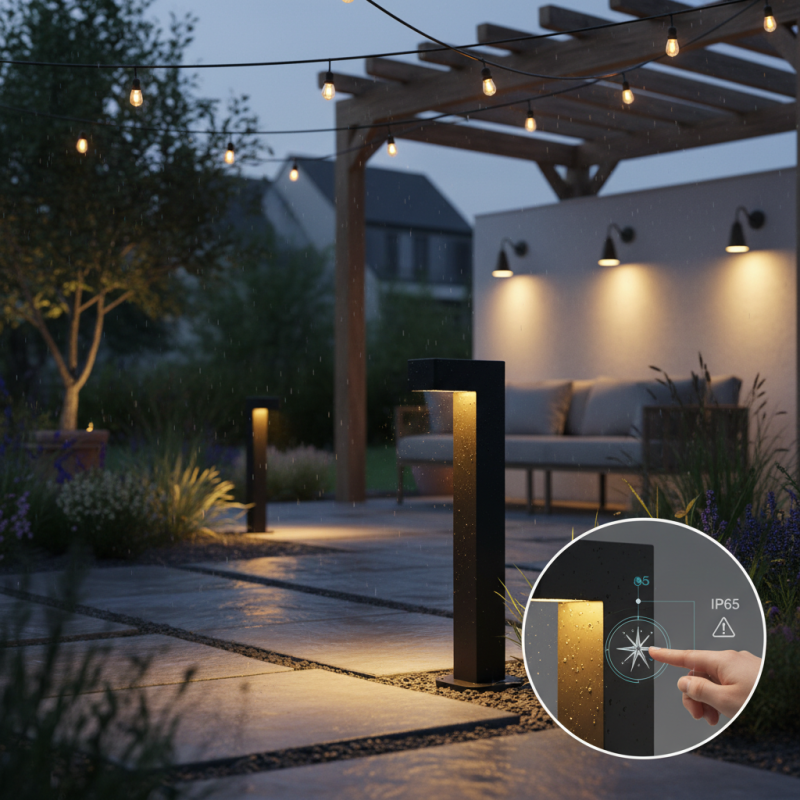
When selecting weather-resistant lighting solutions, understanding key features is crucial. These lights must endure various environmental conditions. Look for features like waterproofing, corrosion resistance, and durability. Many products claim to be weather-resistant, but not all prove reliable over time. It helps to research materials like stainless steel, aluminum, and high-quality plastics. These are typically more durable against the elements.
Benefits of weather-resistant lighting include increased safety and improved aesthetics. Proper lighting reduces risks during poor weather conditions. It can illuminate pathways, driveways, and backyards effectively. Additionally, the right lighting enhances outdoor living spaces. Yet, one must consider energy efficiency as well. While you might prefer brighter lights, LED options are often more sustainable.
Evaluate your specific requirements. Consider installation sites, local weather patterns, and maintenance needs. A poorly chosen light fixture can lead to frequent replacements or repairs. Balancing aesthetics with functionality is often challenging. Take time to analyze options carefully. Each choice impacts the longevity and performance of your outdoor lighting.
Choosing weather-resistant lighting is crucial for outdoor spaces. Different environments require specific solutions. For coastal areas, saline exposure is a concern. Choose lights made from materials like marine-grade stainless steel. This type of metal resists corrosion, enhancing longevity. A recent industry report noted that exposure to salt can reduce lifespan by up to 30% without proper materials.
In regions with heavy rain or snow, waterproof options are essential. Look for fixtures with an IP rating of 65 or above. This ensures protection against water jets and dust. According to the Illuminating Engineering Society, less than 25% of outdoor lighting meets these standards. Ensuring compliance can avoid costly repairs.
For harsh, cold climates, LED lighting is an excellent choice. LEDs perform better at lower temperatures compared to traditional bulbs. They also have a longer lifespan, typically lasting 25,000 hours. Choosing energy-efficient options can lead to considerable savings. Many users report reduced energy bills after switching to LEDs. However, some may find the initial cost daunting. Balancing initial investment with long-term savings requires careful thought.
When considering weather-resistant lighting, several factors determine the best choice. Start with the material. Fixtures made of stainless steel or corrosion-resistant alloys last longer outdoors. They withstand rain, snow, and wind without rusting or deteriorating. Look for lights with tempered glass. It withstands impact and harsh weather conditions better than plastic.
Next, think about the IP rating. This rating indicates how well a fixture resists dust and moisture. An IP65 rating or higher is ideal for outdoor use. It ensures your lights function properly in wet conditions. Color temperature also matters. Warmer tones typically provide a cozy atmosphere. However, cooler tones can enhance visibility at night. Make sure the style matches your outdoor space, too.
Consider installation. Some fixtures require professional setup, which can add to costs. Think about placement. Light motion sensors can help save energy. Yet, they may lead to over-illumination if not positioned correctly. Lastly, check the warranty. A reliable warranty can indicate the manufacturer’s confidence in their product. Paying attention to these details can enhance your outdoor lighting experience significantly.
When installing weather-resistant lighting fixtures, attention to detail is crucial. Begin by selecting the right location for your lights. Avoid placing them under eaves, where water can accumulate. Consider areas that receive ample airflow to mitigate humidity. This can extend the lifespan of your fixtures.
Ensure that all wiring connections are secure and properly insulated. Use weatherproof connectors to prevent moisture ingress. It's essential to use the appropriate conduit for outdoor settings. This conduit must withstand extreme temperatures and weather. Double-check your electrical connections before sealing any junction boxes.
Consider the orientation of light fixtures. Aim them to minimize direct exposure to the elements. In some cases, uneven surfaces may necessitate additional support for stability. Even minor misalignments can lead to accelerated wear. Regularly inspect your installations for damage. Addressing small issues early can prevent larger problems later on.
When it comes to weather-resistant lighting solutions, maintenance is crucial. According to a report from the National Electrical Manufacturers Association (NEMA), proper care can extend the lifespan of outdoor lighting by 30%. Regular inspections help identify issues early. Look for signs of corrosion or damage. Clean fixtures from dirt and debris. This simple step enhances illumination and prolongs usage.
Additionally, consider the environment where your lighting is installed. Extreme temperatures can affect performance. The Illuminating Engineering Society (IES) suggests using products rated for specific temperature ranges to ensure reliability. For instance, fixtures rated for low temperatures should be used in colder climates. This consideration helps maintain efficiency and functionality.
It's vital to ensure that wiring and connections are secure. Loose connections can lead to failures. Inspect seals and gaskets regularly. They often degrade over time. A proactive approach reduces the risk of electrical failure and potential hazards. Understanding your lighting systems is key. Addressing minor issues can prevent larger, costly problems.
| Dimension | Description | Material | IP Rating |
|---|---|---|---|
| Outdoor Wall Sconces | Wall-mounted lights that provide ambient and task lighting. | Aluminum, Glass | IP65 |
| Flood Lights | High-intensity lights for illuminating large areas. | Polycarbonate, Stainless Steel | IP66 |
| Pathway Lights | Low-level lights that guide pathways and walkways. | Vinyl, Glass | IP54 |
| Post Lights | Lights mounted on posts, ideal for decks and gardens. | Aluminum, Plastic | IP44 |
| String Lights | Decorative lights for patios and outdoor gatherings. | Plastic, Glass | IP65 |
: Look for waterproofing, corrosion resistance, and durability. Materials like stainless steel and high-quality plastics are ideal.
Proper lighting reduces risks during bad weather. It helps illuminate pathways and driveways effectively.
LEDs perform better in cold temperatures and last longer than traditional bulbs. They also save on energy bills.
Coastal areas need marine-grade materials. Heavy rain regions require waterproof fixtures rated IP65 or above.
Regular inspections and cleaning are essential. Look for signs of corrosion and ensure all connections are secure.
Balancing aesthetics and functionality can be tough. Poor choices may lead to frequent repairs or replacements.
Yes, maintenance can extend lifespan by 30%. Simple tasks like cleaning and checking connections are vital.
Initial costs might be daunting, but long-term savings are often worth it. Consider this balance carefully.
Extreme temperatures can hinder performance. Use products rated for specific ranges to ensure reliability.
Address minor issues quickly to prevent larger problems. Regular maintenance is crucial for avoiding costly repairs.
Choosing the best weather-resistant lighting solutions involves understanding their key features and benefits, which play a crucial role in ensuring durability and functionality in various environments. There are different types of weather-resistant lighting options, each designed to cater to specific conditions, whether in residential, commercial, or outdoor settings. When considering how to choose weather-resistant lighting solutions, it's important to assess factors such as the materials used, IP ratings, and suited environments to ensure optimal performance.
Additionally, installation best practices should be followed to enhance safety and longevity. Regular maintenance and care are also essential to prolong the life of your lighting fixtures. By considering these aspects, one can make informed decisions and select the right weather-resistant lighting that meets both aesthetic and practical needs.

SWF Lights